The best Botox treatments are quiet. Friends say you look rested, not altered. Forehead lines soften, frown lines stop shouting, crow’s feet ease when you smile. Getting there is a systematic process, not a quick jab. As a clinician, the most valuable minutes often happen before the needle touches skin, where goals, anatomy, and dosing come together into a plan that looks like you, just smoother.
This overview walks through how botox wrinkle relaxing injections are performed in real practice, what to expect at every stage, and how to navigate decisions about dose, areas, and maintenance. I will use “Botox” in the general sense most patients do, to mean botulinum toxin type A cosmetic injections that target facial muscles for wrinkle reduction and facial rejuvenation.
What Botox is actually doing
Botulinum toxin type A blocks the release of acetylcholine at the neuromuscular junction. It prevents the “contract” signal from reaching the muscle, which relaxes the muscle’s pull on the skin. Dynamic wrinkles, the ones that deepen when you frown, squint, or raise your brows, are the most responsive. That includes botox for frown lines between the brows, botox for forehead lines, and botox for crow’s feet around the eyes.
Static wrinkles, etched into the skin after years of motion, can improve with botox facial treatment because the skin gets a break from creasing, but they may not vanish. For those, we often pair botox anti wrinkle injections with resurfacing or collagen-stimulating treatments to remodel the skin.
Clinically, onset starts in 2 to 5 days, peaks around 10 to 14 days, and generally lasts 3 to 4 months. Some areas, like masseters or underarms in hyperhidrosis treatment, can hold for 4 to 6 months or longer.
Who benefits, and who should wait
The best candidates for botox wrinkle treatment are adults with visible dynamic lines who want a non surgical wrinkle treatment with minimal downtime. Common cosmetic areas include:
- Glabellar lines, the “11s” between the eyebrows. Horizontal forehead lines. Crow’s feet at the outer corners of the eyes. Bunny lines along the nose bridge. Chin dimpling from an overactive mentalis muscle. Platysmal bands in the neck, when we plan a conservative botox neck treatment. Subtle brow shaping or a soft botox brow lift or eyebrow lift. A conservative lip flip for a slightly fuller upper lip at rest. Masseter slimming for a squared jawline, and botox for teeth grinding or TMJ pain.
Botox cosmetic injections also have medical uses such as botox migraine treatment and botox for excessive sweating, particularly botox underarm sweating treatment for hyperhidrosis. Those are highly effective when properly dosed and mapped.
Not everyone is a candidate. We delay botox cosmetic treatment during pregnancy and breastfeeding, in the presence of active skin infection at the injection site, and in certain neuromuscular disorders. A history of allergy to toxin components or previous adverse reaction warrants caution. Heavy brow ptosis at baseline, very lax forehead skin, or very hooded eyelids may need a tailored plan or alternative approaches, since relaxing the frontalis can drop the brows if we are not careful.
A true step-by-step overview of the procedure
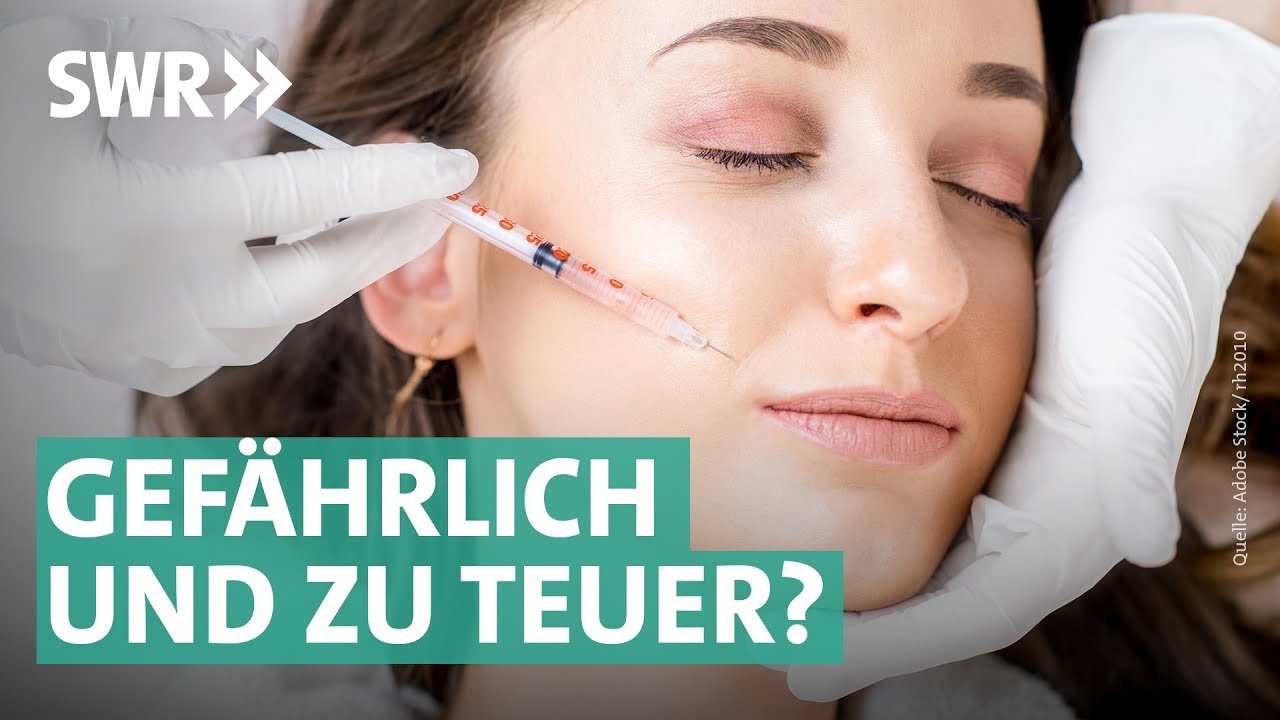
- Consultation and mapping. Your provider studies how your face moves at rest and with expression, reviews your medical history, and sets goals. Expect discussion about botox wrinkle prevention versus correction, what botox for facial wrinkles can realistically do, and which areas matter most to you. Preparation. Makeup is cleansed. The skin is disinfected. Topical numbing is rarely needed for botox face injections, though we may use an ice pack for a few seconds. Photos are taken for tracking botox before and after results. Dosing strategy. The provider estimates how many botox units are needed for each area, based on muscle strength, gender, facial shape, and desired effect. We review risks like bruising, headache, or temporary eyelid droop, confirm consent, and mark precise points for botox injection treatment. Injection technique. Using a fine needle, we place microdroplets into targeted muscles at controlled depths and angles. The pattern for botox forehead injections differs from botox crow’s feet injections or botox frown line injections. Precision matters as much as dose. Immediate aftercare and scheduling follow up. Gentle pressure is applied for any pinpoint bleeding. You get aftercare instructions, and a two week review is offered to assess symmetry and fine tune, since botox results timeline varies slightly among individuals. " width="560" height="315" style="border: none;" allowfullscreen="" >
That is the skeleton. The craft lies in the details of anatomy, dose, and balance between muscle groups. Poorly balanced injections can make brows feel heavy, create a peaked or flat eyebrow shape you did not want, or leave speech and smile dynamics off. Good treatment looks and feels native to your face.
How many units are typical, area by area
No two faces need the same dosing. I always tailor botox injection treatment to muscle bulk and movement. That said, ballpark ranges help with planning how many botox units are needed.
Glabellar complex, the frown line area: 10 to 25 units spread across corrugators, procerus, and sometimes depressor supercilii. Strong frowners or men often sit higher.
Forehead lines: 6 to 20 units placed high in the frontalis, with lighter dosing in the outer thirds to avoid brow drop. We adjust based on where your lines form and your baseline brow position.
Crow’s feet: 6 to 12 units per side at three to four points around the lateral orbicularis oculi. Thin skin bruises more easily, so ice helps.
Bunny lines on the nose: 4 to 10 units total across two to four points on the nasalis.
Lip flip: 4 to 8 units to the superficial orbicularis oris just above the vermilion border. Useful for a subtle roll of the lip, not a replacement for volume.
Chin dimpling: 4 to 10 units into the mentalis to smooth pebbling and soften an upturned chin.
Brow lift: 2 to 4 units per side along the lateral brow depressors can nudge the tail of the brow upward a few millimeters.
Neck bands, botox neck band treatment: highly variable, often 20 to 60 units in small aliquots along selected platysmal bands. Done conservatively to avoid swallowing or neck flexion weakness.
Masseter for jaw slimming or botox tmj treatment: commonly 20 to 40 units per side for aesthetic jawline botox, sometimes higher for severe clenching. Slimming takes months to show as the muscle atrophies gently.
These numbers are starting points. Some patients need less for a natural, not frozen, look. Others prefer robust movement reduction and accept brief stiffness. The art is in matching your comfort with movement to the strength of your muscles.
Technique details that influence results
Dilution and droplet size affect spread. For onabotulinumtoxinA, a common dilution is 2 to 4 units per 0.1 mL, but experienced injectors adjust for specific areas. Deep intramuscular placement is standard for corrugators and procerus. For botox eye wrinkle treatment at the crow’s feet, we keep injections superficial and lateral, staying clear of the zygomatic muscles that elevate the lip and cheek. Bunny lines are mid depth deposits into the nasalis.
Angles are small, usually 10 to 30 degrees relative to the skin surface. Aspiration is not typically required because botox cosmetic facial injections are placed in muscle or intradermally, not in vessels, yet a steady hand and anatomic landmarks matter to minimize bruising. With botox under eye botox or injections close to the orbital rim, caution increases. Small changes in placement can shape the brow or alter eyelid support.
Brand units are not interchangeable. OnabotulinumtoxinA, abobotulinumtoxinA, and other brands have different potencies per unit. If you switch products, the unit count may change even if the clinical effect is similar.
What it feels like and how long you will be in the chair
Patients often describe botox injections as quick pinpricks with a mild stinging that lasts a few seconds. Areas with fewer nerve endings, like the forehead, are easier than the lip flip, which can feel sharper due to dense sensory nerves. A small ice pack dulls the sensation effectively. The entire visit, including consultation, mapping, and injections, takes 15 to 30 minutes for first timers and less for maintenance visits.
Minor pinpoint bleeding, slight swelling at each site, or redness are common and fade within minutes to hours. Makeup can usually be reapplied later the same day if the skin looks calm.
Aftercare that actually matters
Your provider will tailor advice to your case, but these basics cover most botox cosmetic skin treatment plans:
- Stay upright for about 4 hours, and avoid pressing or massaging treated areas. Skip strenuous exercise, hot yoga, and saunas until the next day. Gently move the treated muscles during the first hour. It may help uptake, and it will not hurt. Postpone facials, microdermabrasion, or devices over the treated areas for 24 to 48 hours. If you notice unevenness at day 10 to 14, return for assessment rather than trying to fix it with pressure or massage.
A small bruise can happen even with perfect technique. Arnica gel or a cold compress helps. Rarely, a small bump of sterile saline is visible if your injector uses a higher volume per site. That settles quickly.
Results timeline, longevity, and maintenance rhythm
You might feel a “lighter” sensation within 48 hours as the muscles begin to relax. Measurable smoothing usually appears by day 3 to 5, with full effect around two weeks. The forehead and glabellar complex tend to show first. Crow’s feet sometimes lag by a day or two.
How long botox lasts depends on your metabolism, dose, and area. A lean, high metabolism patient or a heavy exerciser sometimes burns through effects faster. In most faces, botox anti aging treatment holds well for 3 to 4 months. Around the mouth and chin, where we select very low doses to preserve function, it may fade a bit sooner. Masseter slimming and botox for migraines are on longer cycles, often 10 to 12 weeks for medical migraines and 4 to 6 months for jaw slimming after the first few sessions.
How often botox injections are needed is a conversation, not a rule. Some prefer three visits per year for a smooth baseline with minimal peak and trough. Others aim for two visits, letting some movement return for a few weeks before the next round. If wrinkle prevention is your goal, earlier, lighter touch ups can prevent dynamic lines from carving into static creases.
Safety profile and side effects to watch
Botox cosmetic procedure safety is well established when performed by trained clinicians using proper product and sterile technique. Common side effects are mild and short lived: tenderness at injection sites, a dull headache, small bruises, or temporary swelling. Infrequent events include eyelid ptosis, a drooping upper lid, which is uncommon and generally resolves over weeks as the toxin effect wanes. The risk is kept low through careful placement and dosing, especially near the central brow and orbital rim.
Other rare outcomes include brow heaviness if the frontalis is over-relaxed, smile asymmetry if lower face injections are imbalanced, and neck fatigue if platysmal dosing is too aggressive. Systemic side effects are extremely rare at cosmetic doses. Spread beyond the target region can occur if high volumes are injected or if aggressive post procedure massage is done; both are avoidable with sound technique and good aftercare.
If you have a history of cold sores and receive perioral treatment like a botox lip flip treatment, your clinician may recommend prophylaxis. For those on anticoagulants, bruising risk is higher, but adjustments and gentle technique can mitigate it. Always tell your provider about supplements and medications, particularly blood thinners and substances that increase bruising, such as high dose fish oil or ginkgo.
Getting natural, not frozen, results
The fear of the “frozen forehead” is as common as it is avoidable. Natural botox facial rejuvenation relies on:
- Balancing brow depressors and the frontalis, not just weakening one group. Respecting how you express yourself. If your career relies on strong eyebrow movement, we preserve more function. Using the fewest effective units, then fine tuning at two weeks if needed rather than over treating upfront.
Some faces benefit from micro dosing, sometimes called “baby Botox,” for a feather light effect. Others, particularly men with thicker skin and stronger muscles, need higher dosing to see smoothing. Patients with etched lines at rest can pair botox cosmetic wrinkle treatment with laser resurfacing, microneedling, or hyaluronic acid filler for dermal support. Skincare is a quiet amplifer here. A retinoid at night, daily sunscreen, and well formulated moisturizers improve results from botox wrinkle smoothing treatment by optimizing the canvas.
Practical scenarios by area
Frown lines, glabellar complex: Many people scowl when concentrating, not realizing they are training a crease between the brows. Snapping that habit with botox for glabellar lines can feel like turning down the volume on your resting intensity. We usually treat the entire frown complex as a unit to avoid eyebrow pinching.
Forehead: If you raise your brows to open your eyes because your eyelids feel heavy, aggressive botox for forehead lines can make you feel sleepy. In that case we reduce frontalis dose, consider a gentle botox brow lift, and evaluate eyelid skin or brow position.
Crow’s feet: Over treating here can flatten a radiant smile. Precise placement and moderate doses soften the fan lines while keeping authenticity. If the under eye hollows are prominent, toxin alone can accentuate shadowing, so we discuss filler or skin treatments first.
Lip flip: Lovely for showing more pink at rest, but speaking and sipping from a https://www.facebook.com/DRC360Spa/ straw may feel odd for a week if we push dose. We keep it light, especially in first timers.
Chin dimpling: Smoothing the pebbled skin can make the lower face look calmer. If your chin also retrudes, muscle relaxation pairs well with filler for contour.
Neck bands: Platysma is a broad sheet, and treating bands is nuanced. Small aliquots along identified bands can soften neck cords. It is not a neck lift. When skin laxity leads the aesthetic concern, we discuss energy devices or surgery.
Masseter treatment: For bruxism relief, many notice jaw tension ease first, then chewing fatigue for a week, followed by comfort. Aesthetic slimming shows gradually, often best at 3 to 4 months. We re dose at 3 to 6 months for the first year, then less often as the muscle settles.
Medical applications at a glance
Botox for migraines uses a standardized pattern across the forehead, temples, occiput, and neck muscles, at doses much higher than cosmetic wrinkle relaxing injections. Patients often feel a reduction in frequency and intensity by the second round, on a schedule about every 12 weeks.
Botox hyperhidrosis treatment is life changing for some. For botox underarm sweating treatment, we grid the area and place intradermal microdroplets. Dryness can last 4 to 9 months. Palmar or plantar hyperhidrosis is also treatable but more sensitive and has functional considerations such as grip strength.
For TMJ treatment, dosing targets the masseter primarily, sometimes the temporalis. The focus is pain relief and reduced clenching, with aesthetic slimming as a byproduct. We review bite mechanics to avoid chewing fatigue that interferes with daily life.
What you can expect from photos and follow up
Botox before and after results look most dramatic when baseline motion is strong and the skin is still relatively elastic. At two weeks, we reassess with photos and adjust. A touch up might address a persistent line where muscle fibers run deep or a slight asymmetry. I prefer conservative initial dosing and a careful refinement over maximal first pass dosing. This approach reduces the risk of heaviness or unnatural expression.
Static forehead creases can New Providence botox take several cycles of botox skin smoothing injections combined with skin therapies to fade noticeably. The skin remodels slowly. The goal is steady progress.
Questions patients ask most
Does botox hurt? Mild and brief is the honest answer. Sensitive spots like the lip feel sharper, but treatments are very short.
Is botox safe? In qualified hands, botox cosmetic wrinkle injections are safe and predictable, with rare and temporary adverse effects. Choosing a trained, licensed provider who uses authentic product is the safety foundation.
How often are botox injections needed? Most patients schedule every 3 to 4 months for facial wrinkle care, extending or shortening based on how long botox lasts for them. Medical indications follow established protocols.
Do I need to stop aspirin or supplements? Discuss with your prescribing doctor before stopping any medication. If safe to pause, reducing non essential blood thinners for a few days can lower bruise risk, but we do not jeopardize cardiovascular care for a cosmetic visit.
Can I combine treatments? Yes. Many people pair botox facial anti aging injections with dermal fillers for volume restoration, or with skin resurfacing for texture. We usually separate same day energy devices and avoid massage like therapies over the treated sites for a short window.
How to choose a provider and what good practice looks like
Look for a clinician who asks you to animate during consultation, examines brow and eyelid position, and explains why they recommend a specific pattern. They should be comfortable discussing side effects and trade offs. Authentic product, correct storage, and precise reconstitution matter. Ask how they handle follow up and refinements. Thoughtful providers welcome that two week check, because botox cosmetic facial therapy is calibrated to your face over time.
If you switch clinics or brands, carry your previous dosing information. Knowing you received, for example, 20 units to the glabella, 10 units to the forehead, and 8 units per side for crow’s feet helps maintain continuity. If you felt heavy after the last session, say so. Small changes in botox facial wrinkle injections, point by point, have outsized effects.
The bigger picture, beyond the syringe
Botox aesthetic treatment is a tool for managing muscle activity. It smooths lines, softens expressions that read more stressed than you feel, and can subtly reshape balance, like a gentle botox eyebrow lift that opens the eye. It will not resurface sun damage, erase deep static folds alone, or lift lax skin. A smart plan often includes sunscreen, a retinoid or retinoid alternative, targeted pigment control if you have melasma or sunspots, and sometimes biostimulatory treatments.
I often advise new patients to start with their top priority, usually the frown lines or forehead. We learn how your face responds, then expand. That approach saves units where they matter, makes botox skin rejuvenation feel tailored, and reduces the chance of an outcome you do not love.
A brief word on cost and value
Pricing varies by geography and provider, usually per unit or per area. Per unit pricing can feel clearer because it maps to how many botox units are needed for your anatomy. Be skeptical of bargain basement offers that underdose or over dilute. Under treating wastes time and does not serve your goals. Over treating creates an unnatural feel. Value comes from accurate dosing, good technique, authentic product, and a relationship with a provider who remembers how your face behaves.
If this is your first time
Bring your questions. Share old photos to show how your face has aged and what you miss. Tell your provider how you use your face in daily life, from public speaking to distance running. Expect a measured plan, a small set of precisely placed botox wrinkle relaxing injections, and a check in at two weeks. Expect to look like yourself, a little more rested, with lines that no longer announce your mood before you do.
When botox cosmetic wrinkle reduction is done with care, people notice the message your face sends, not the treatment behind it. That is the point of a good botox cosmetic procedure, to quiet the lines, keep the personality, and let your skin and muscles work together again rather than at odds.